Book 1
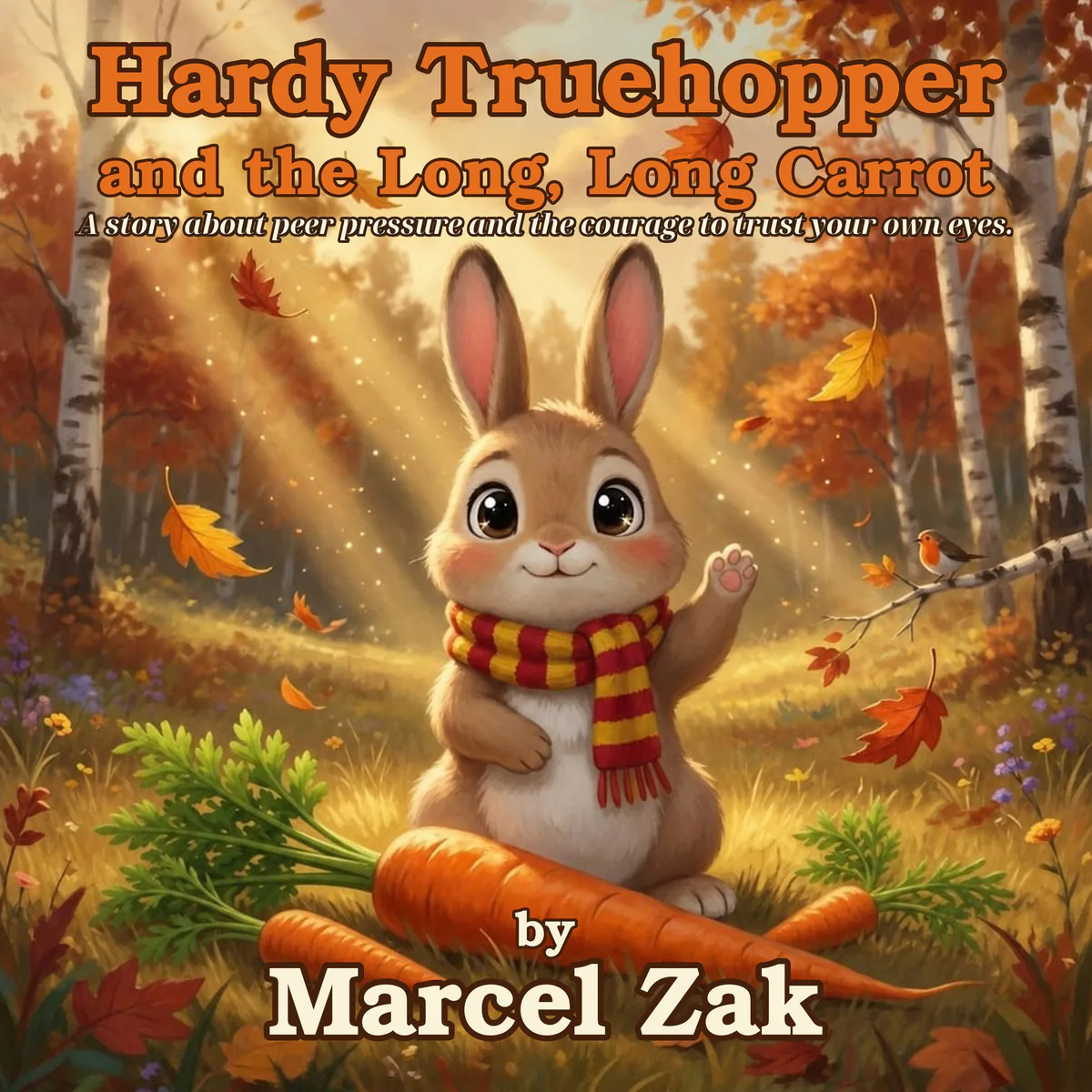
Hardy Truehopper and the Long, Long Carrot
A story about peer pressure and the courage to trust your own eyes.
- The trap
- Going along with the crowd
- The habit
- Stop, take a deep breath, and look again with your own two eyes.
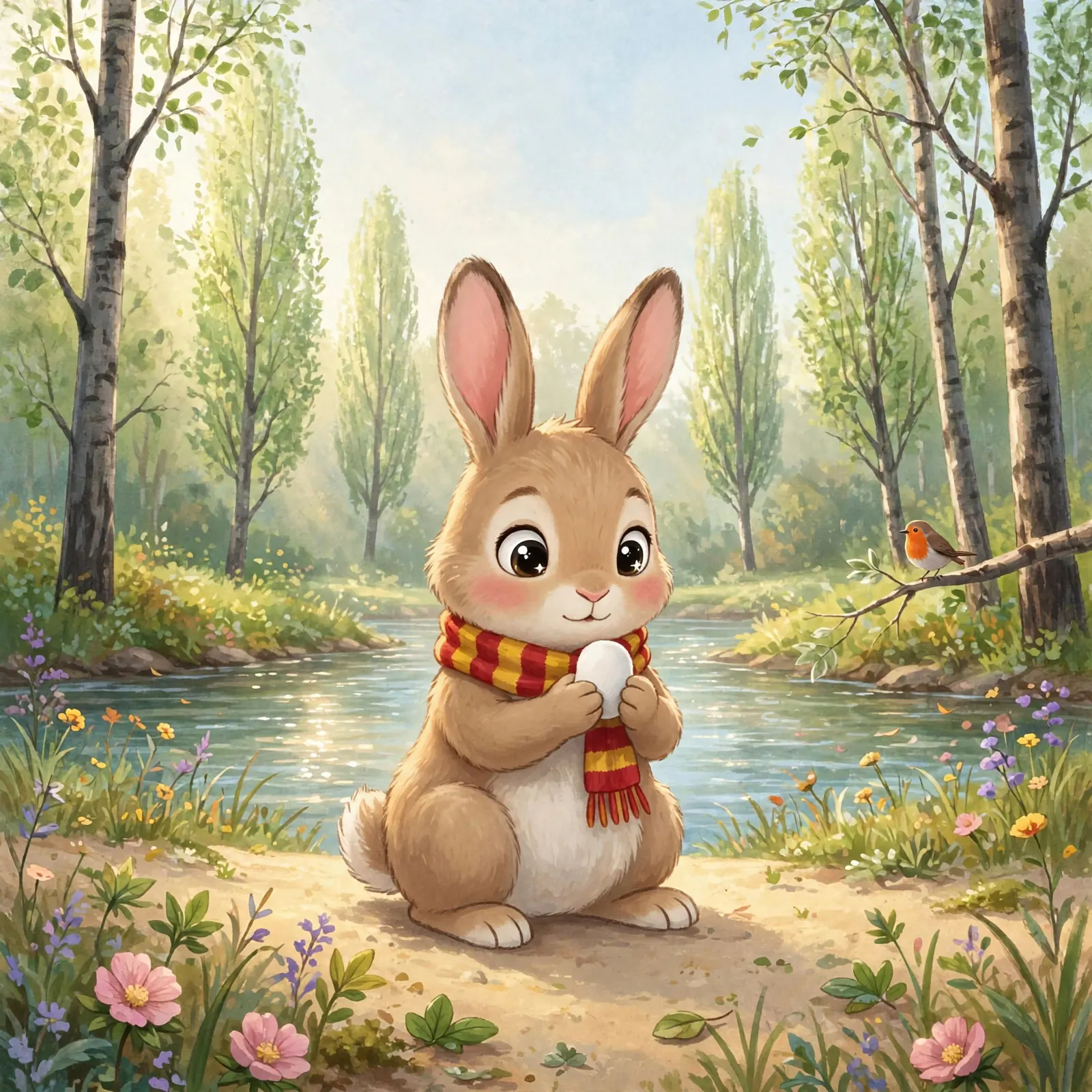
Gentle picture books about the hidden tricks our own minds play.
The idea
Hardy Truehopper is a rabbit whose eyes miss nothing, and even he gets caught. In each book he and his meadow friends meet a real thinking trap, from going along with the crowd to feeling sure we knew it all along.
Every story is built on a real experiment from psychology, so children feel the trap from the inside and come away with one small habit for thinking clearly. Each book has a short note for grown-ups, reads well on its own, and is sized for bedtime, for ages 5 to 10.
The books
Book 1
A story about peer pressure and the courage to trust your own eyes.
Book 2
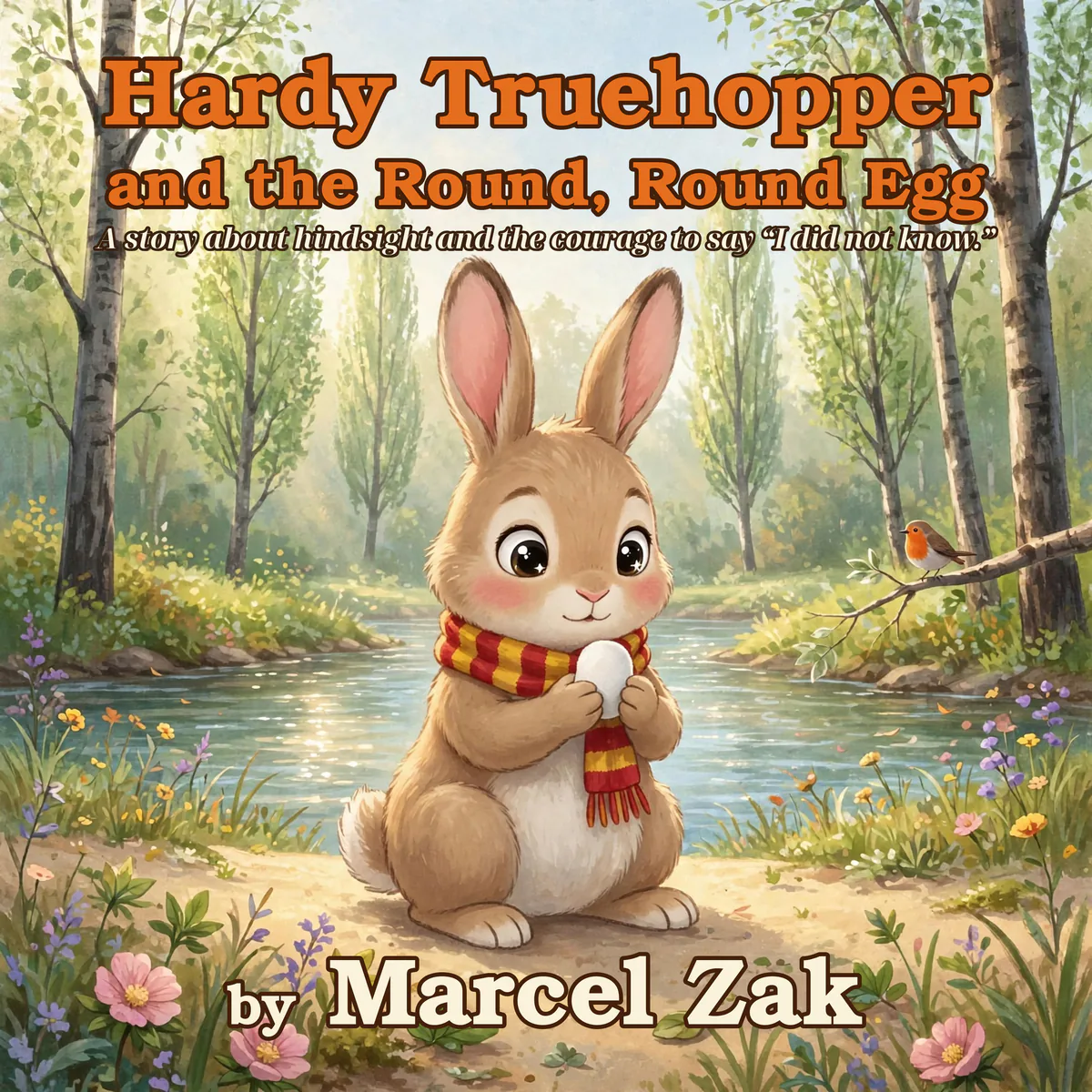
A story about hindsight and the courage to say “I did not know.”
Real science inside
Each book retells a famous psychology study as a meadow adventure. Children feel the trap from the inside, then learn one small habit to get out of it.
Book 1, The Long, Long Carrot
In the 1950s, psychologist Solomon Asch gave people an easy task. They had to match a line to one of three others. The catch was this. Everyone else in the room was secretly told to give the same wrong answer, confidently, before the real participant had a turn.
About three out of four people went along with the group at least once, against the plain evidence of their own eyes.
Book 2, The Round, Round Egg
In the 1970s the psychologists Baruch Fischhoff and Ruth Beyth asked people to predict events before they happened, then later to recall their own predictions. Once they knew the ending, people remembered having been surer than they really were.
They were not lying. Their memories had quietly leaned toward the ending. Today we call it hindsight bias, the feeling that we knew it all along.
The meadow
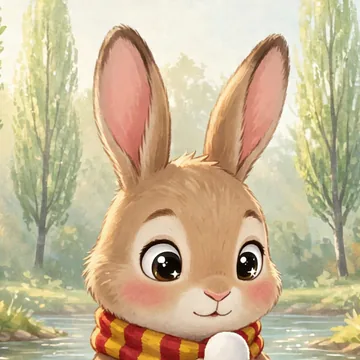
The little rabbit who never misses a thing.
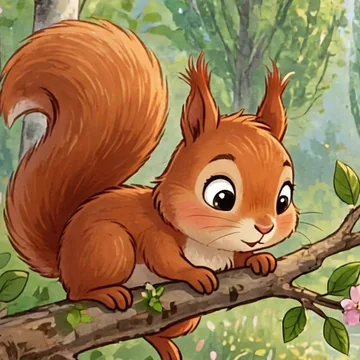
Always the first to be sure.
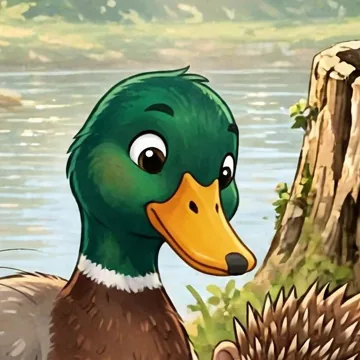
Quick to say “me too.”
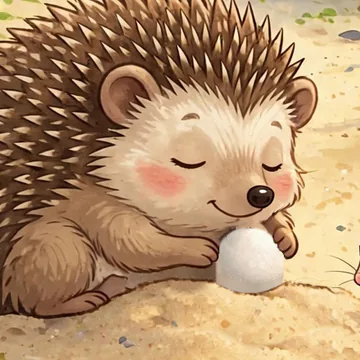
Slow, sleepy, and honest to the tip of every prickle.
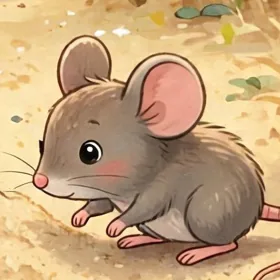
The smallest of the friends, and braver than he looks.
Free for grown-ups
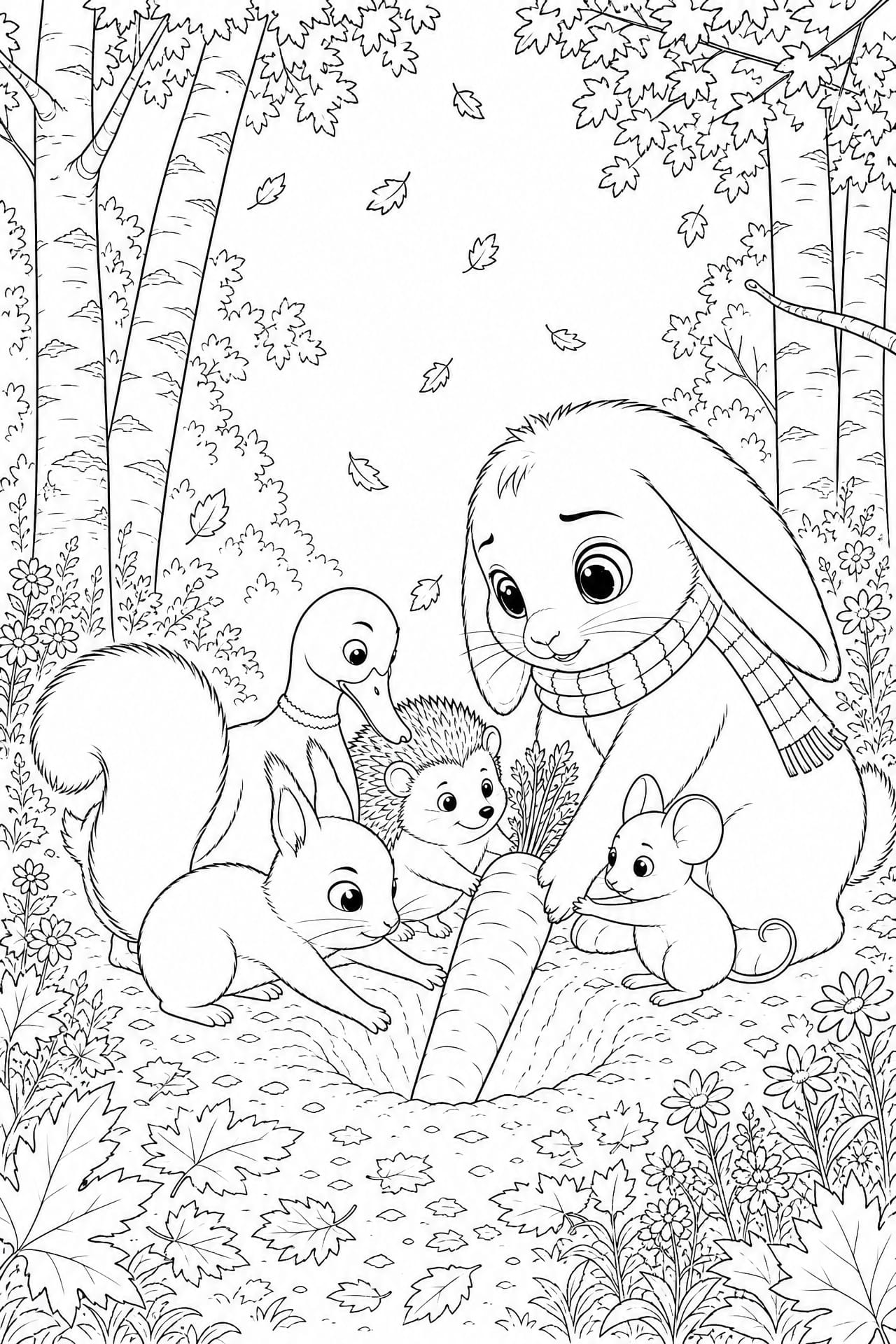
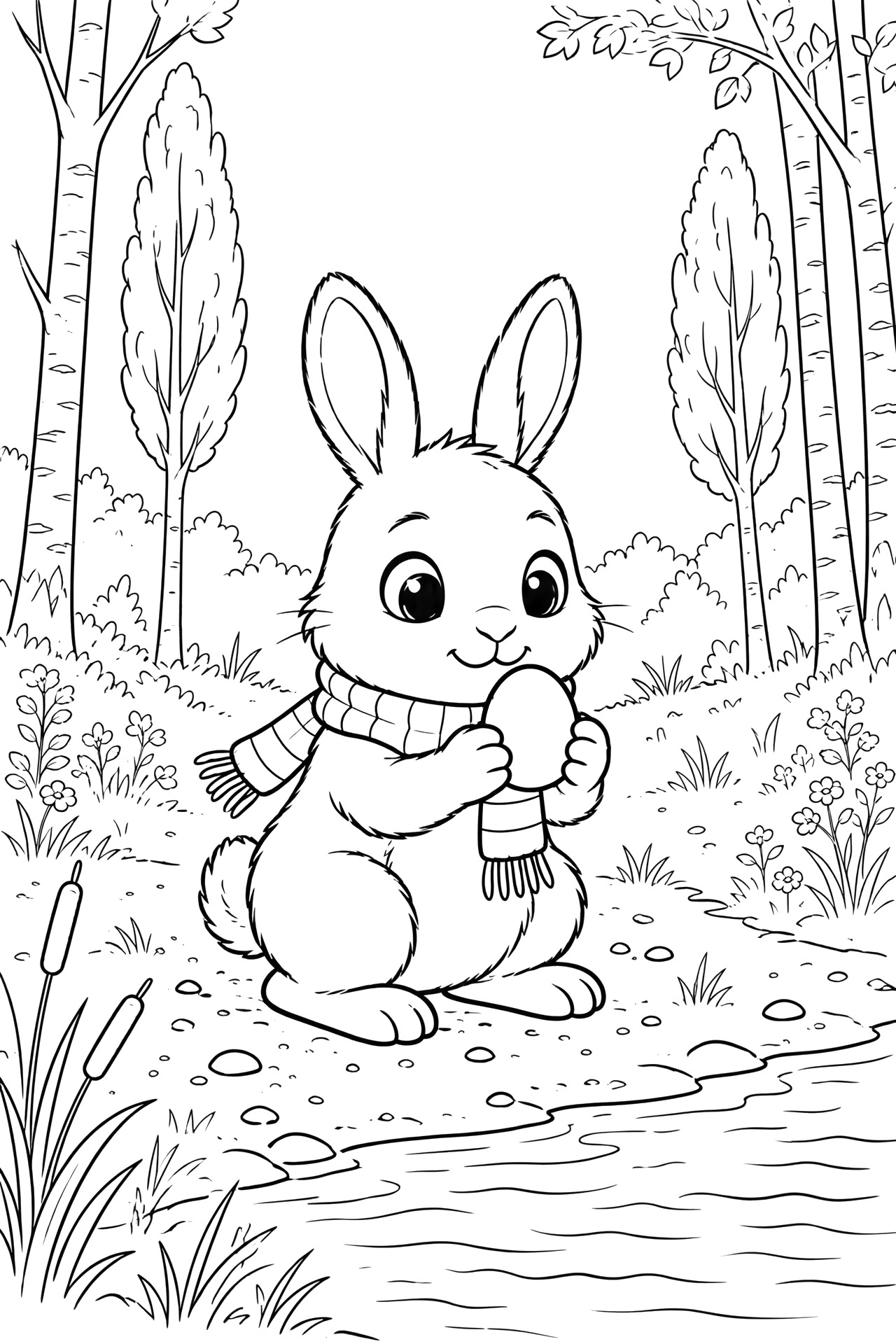
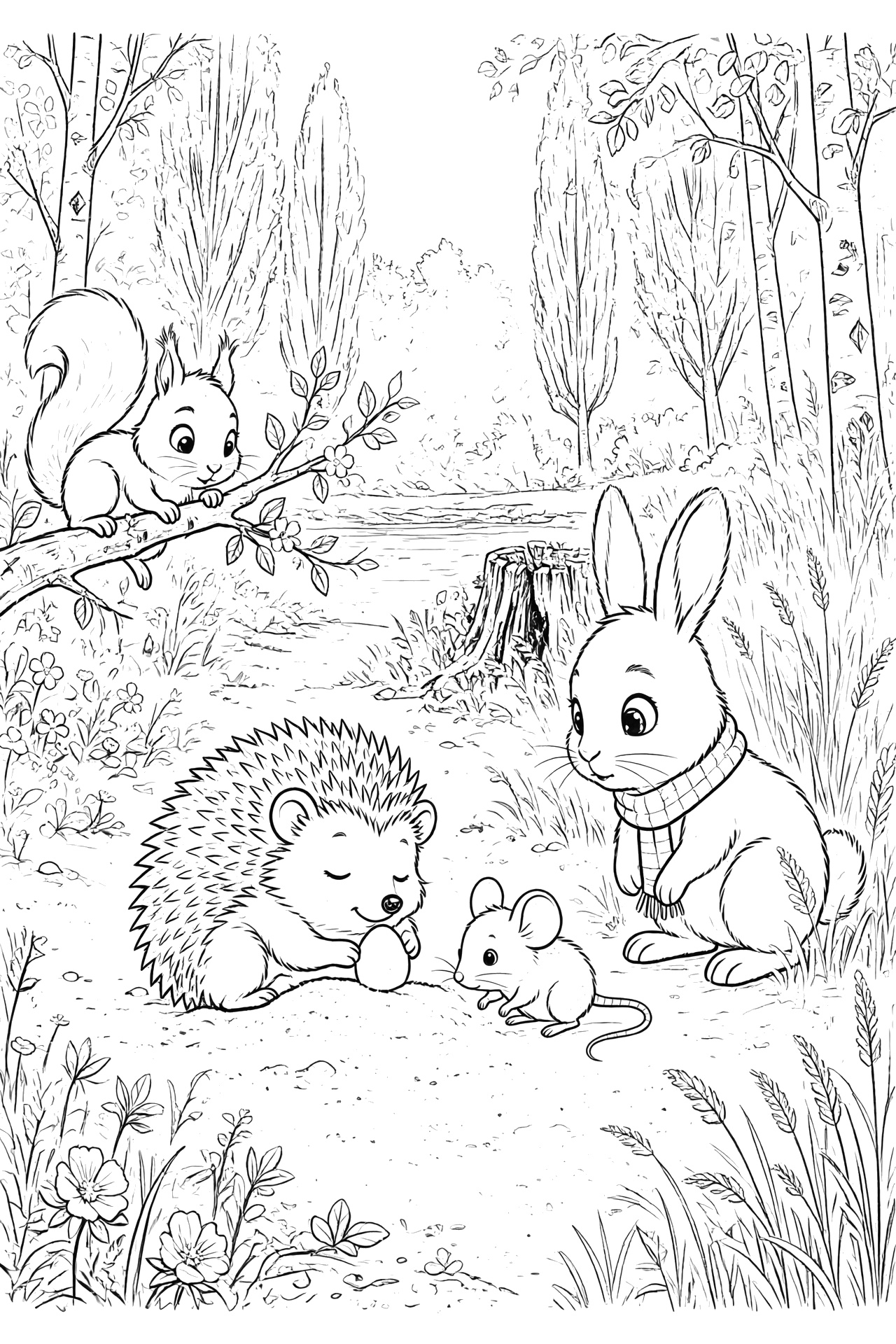
Gentle questions, small activities and pages to color, for bedtime, the classroom or the walk home. Free to download, with no sign-up.
Free, for grown-ups
The free companion to the book, for parents, teachers, and school counselors. Print it, fold it into the book, and use it in five minute pieces. No lecture required.
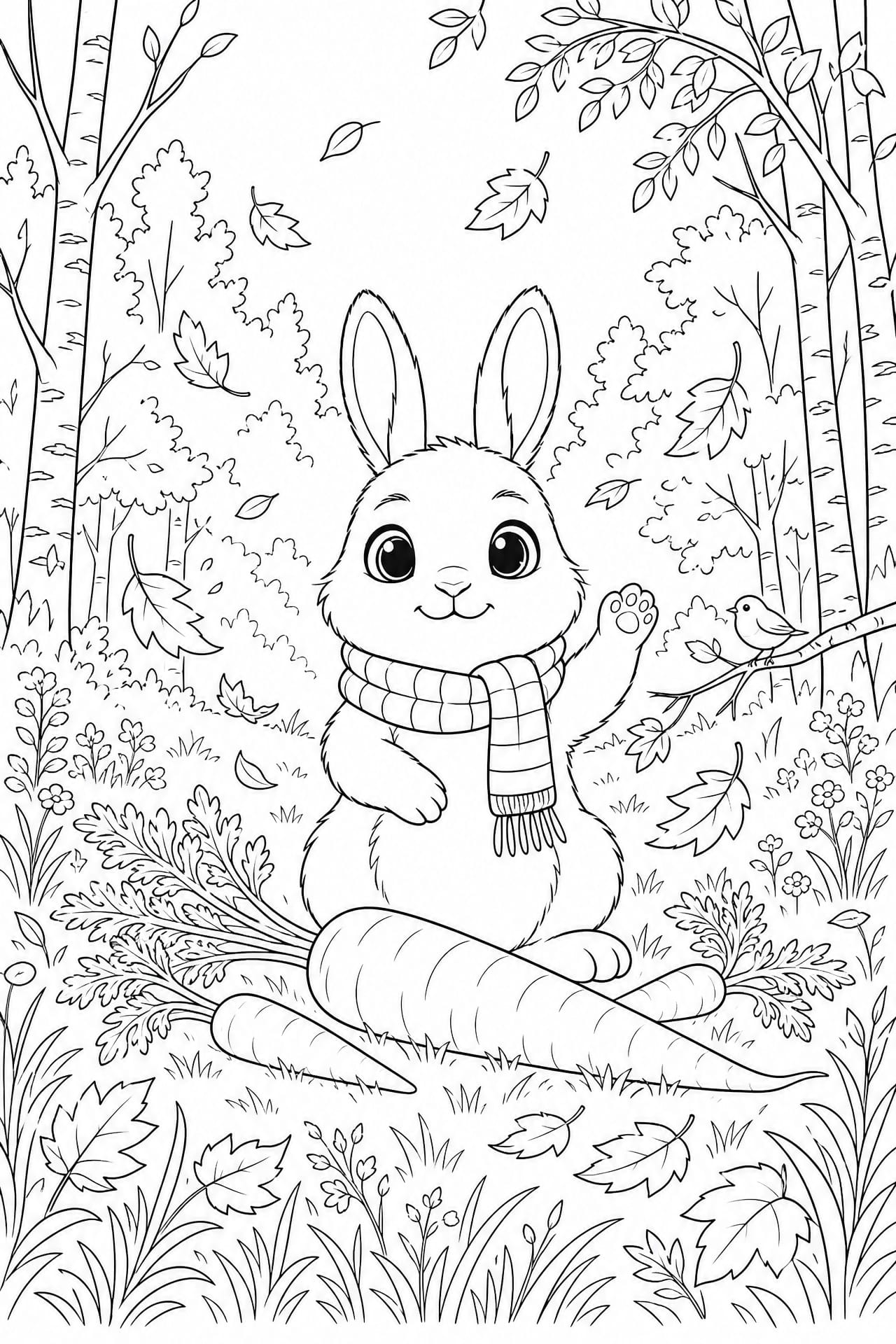
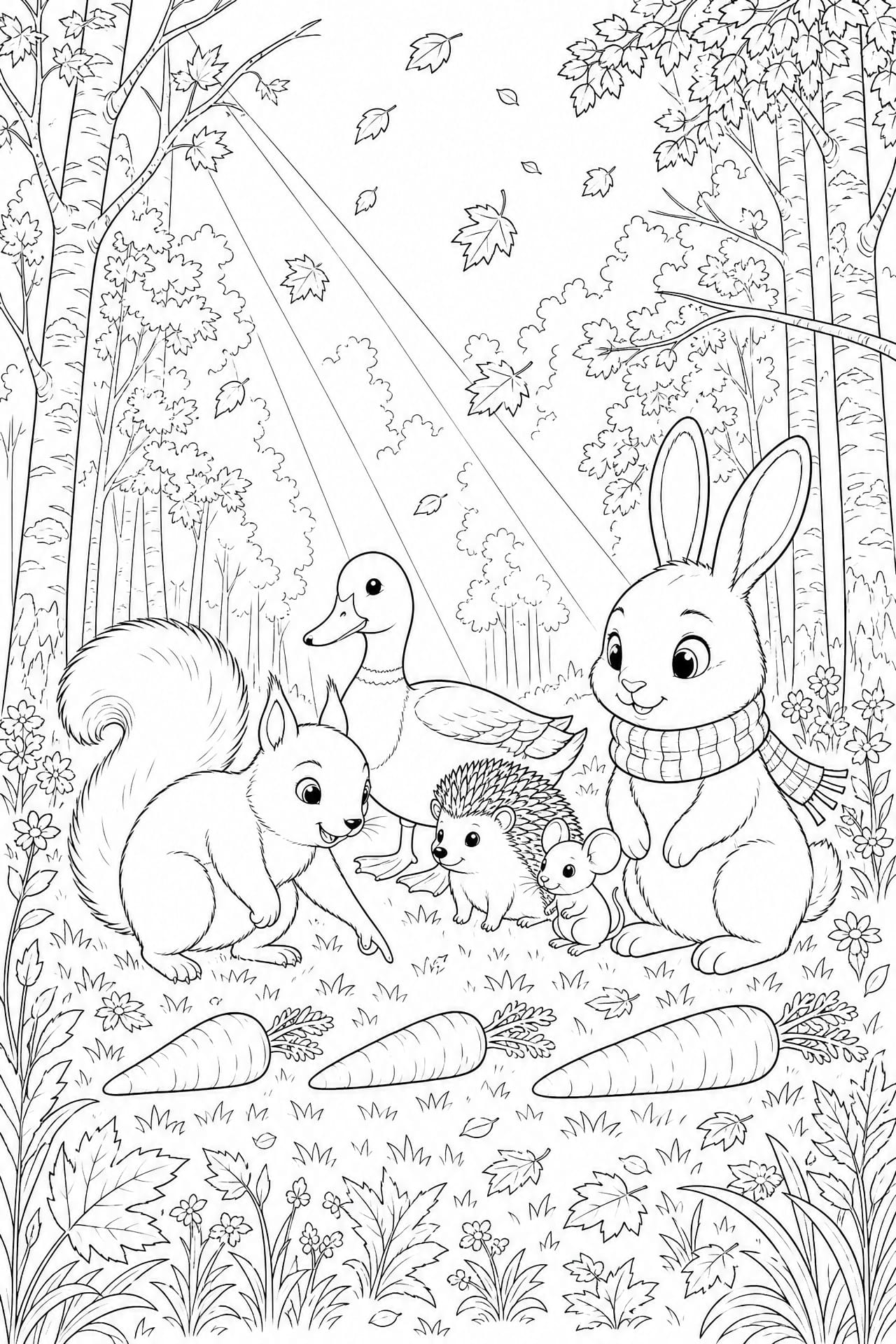
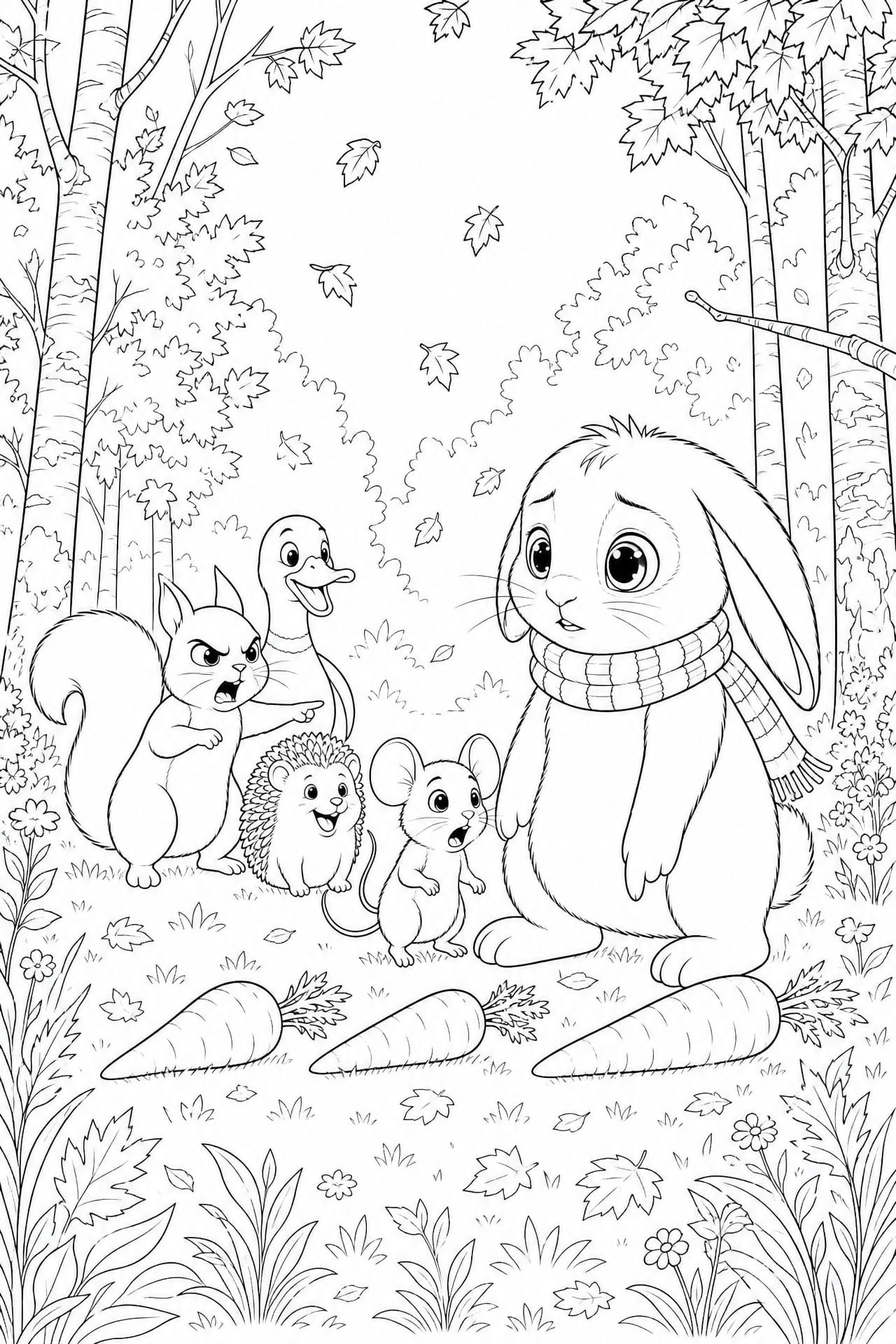
With questions, activities and four coloring pages.
Download the guide PDF, 3.2 MBFree, for grown-ups
The free companion to the book, for parents, teachers, and school counselors. Print it, keep it with the book, and use it in five minute pieces. No lecture required.
Read it up to “After you read” before you start the story, because the pauses happen while you read. Save the rest for afterwards, because it gives away the ending.
Download the guide PDF, 3.7 MBTap a page to save it, then print it on A4 or letter paper.
Tap a page to save it, then print it on A4 or letter paper.
A peek ahead
Hardy’s third adventure is being written now, with a brand new thinking trap waiting for the meadow.
Leave your email and you will hear the moment it is ready.
Tell me when it’s ready
The author
Marcel Zak is a human, a father, a husband, a software engineer, an entrepreneur, and an aspiring rationalist. He writes the Hardy Truehopper books for his children, Benjamin and Sophia, and for every child, to give them a gentle, early way to notice the hidden tricks our own minds play, and the courage to look again. He builds software for a living and thinks hard about how we know what is true, both to avoid being fooled and to keep seeking it.
For grown-ups
Ages 5 to 10. Each story is sized for one bedtime.
No. Each book reads well on its own.
Each story is built on a real psychology experiment. The Long, Long Carrot comes from Solomon Asch’s 1950s work on going along with the crowd, and The Round, Round Egg from Baruch Fischhoff and Ruth Beyth’s 1970s work on hindsight.
Yes. Each book gets a free guide for parents and teachers, with questions and activities to share. They are free to download on this site, with no sign-up needed.
On Amazon, as a paperback and as a Kindle book, in the United States, the United Kingdom, Canada, Australia, Japan, and Amazon’s stores across Europe.
Yes. Every book opens with a short note that explains the science in plain words, so you know what to look for together.